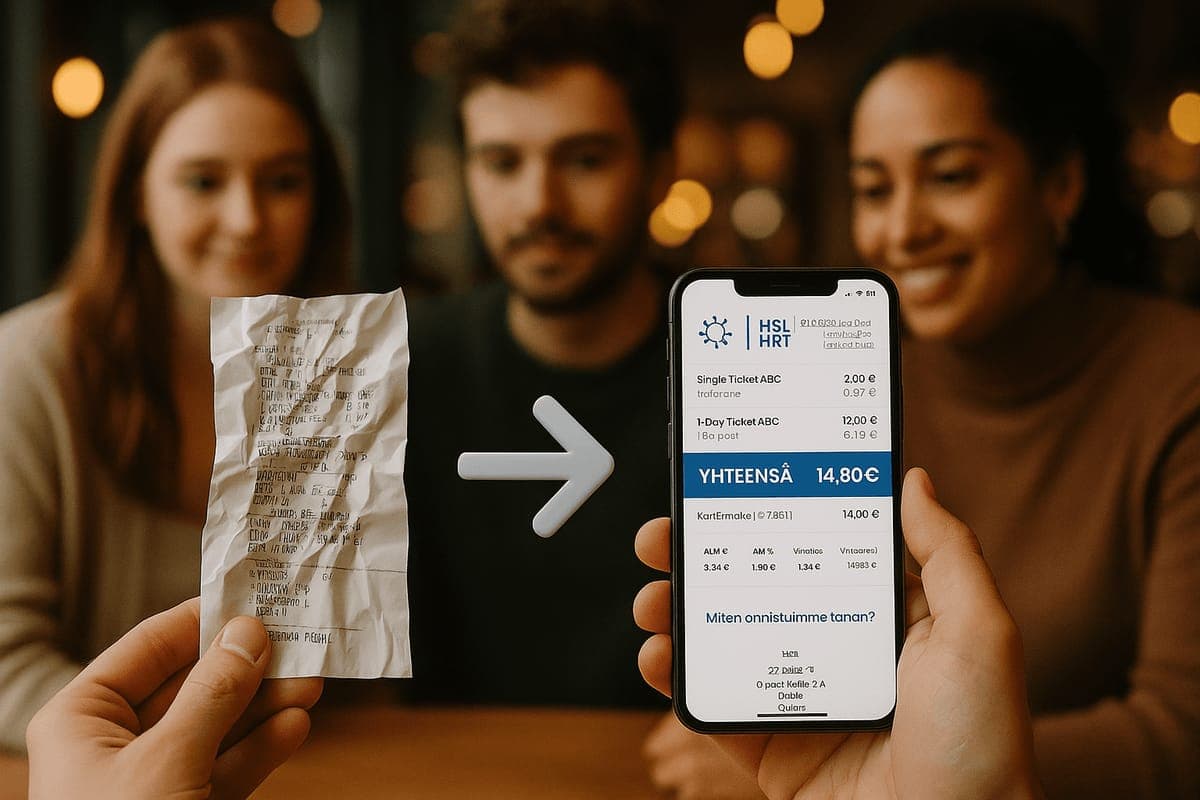

Germany is about to go through something the Nordics have already been through: the move from paper to digital receipts.
On 23 September 2026, the German Federal Cabinet adopted a draft cash register law that would make digital receipts the default at German checkouts from 2028. The bill is now working its way through the Bundestag, with a final vote planned for December, so details may still change.
At ReceiptHero, we have spent the last few years helping merchants, POS providers and banks make this exact shift in the Nordics. Here is what the German proposal means, what we have learned from the markets that moved first, and what it means for your checkout.
The German Proposal at a Glance
- Who: Businesses with more than €100,000 in annual turnover must use an electronic cash register. Those taking under €12,000 a year in cash are exempt.
- What: Every electronic till must offer customers a digital receipt in a standardised format. Paper is only printed on request.
- When: 1 January 2028 for businesses above the threshold in 2026, and July 2028 for those crossing it in 2027.
- Penalties: Fines of up to €25,000 for trading without an electronic till, and up to €5,000 for missing receipts.
- Still open: The receipt format and delivery method. The Finance Ministry has pointed to a QR code on the customer display as the most practical option.
Neighbouring Austria has allowed receipts to be shown on a screen since 1 October 2026, but leaves it up to the business. Germany would go a step further and make offering a digital receipt mandatory.
What We Learned in the Nordics
Germany is not the first country to push receipts into the digital age. In Finland, the State Treasury set a goal for government card purchases to come with digital receipts (eKuitti) by the end of 2025. In Sweden, a 2024 change to the accounting law let businesses keep receipts digitally instead of on paper.
We worked through both shifts with our customers. A few lessons stand out:
Early movers have the easiest time. Retailers like Neste, R-kioski and Puuilo, to name a few, started offering digital receipts early. They could roll out at their own pace instead of scrambling at the last minute.
One channel never fits everyone. Business customers want receipts to flow straight into their expense tools. Consumers want something quick at the till, like a QR code or a receipt in their banking app. A good setup covers both.
Integrate once, not store by store. The smoothest rollouts happen at the POS or payment provider level, so every checkout gets digital receipts at once.
Compliance is the starting point, not the finish line. Once receipts are digital, merchants quickly start using them for loyalty, feedback and customer insights.
More Than a Compliance Checkbox
It is easy to treat the new law as just another regulatory task. But retailers who get digital receipts right will gain far more than compliance.
A digital receipt is not a copy of the paper one. It can be a direct, personal channel to every customer who walks through the door:
- Close the offline data gap. Turn anonymous in-store transactions into known customer interactions. We wrote more about this in The Offline Data Problem in Retail.
- Smarter loyalty. Reward customers based on what they actually buy, without plastic cards or sign-ups at the till.
- Easier returns and warranties. Receipts are stored digitally and never fade or get lost.
- Less fraud. Real-time receipts sent straight from the point of sale cannot be faked, unlike a photo of a paper slip. See Fighting Fake Receipts.
- Less waste. Fewer paper rolls, less thermal paper, and a cleaner sustainability story for your brand.
How ReceiptHero Can Help
ReceiptHero has been delivering real-time digital receipts in Europe since 2018, working with merchants, POS providers, payment service providers and banks. Here is how we can help you prepare for Germany:
- Every delivery channel in one platform: QR code on the customer display, NFC tap, card linking, email and apps. Customers choose what suits them, and you stay covered whichever format the final law requires.
- Works with your existing checkout: ReceiptHero integrates with POS systems and payment terminals, so there is no need to rebuild your checkout to go digital.
- Privacy built in: We are GDPR compliant and PCI DSS Level 1 certified, and card-linked receipts can be delivered without the merchant handling any personal data.
- Ready for DACH and beyond: One solution across Germany, Austria and the rest of Europe, instead of a different setup per market.
- Value beyond the receipt: Add branding, feedback requests, offers and loyalty rewards directly to the receipt.
Get Ready Before 2028
The law may still change on its way through the Bundestag, but the shift to digital receipts in Germany is already underway. Some German retailers are already offering them voluntarily, and our experience in the Nordics shows how much smoother the switch is when you start early.
Waiting for the final text means competing for POS upgrades and integration capacity alongside everyone else in late 2027. Starting now means you can roll out at your own pace, test with customers, and turn a compliance deadline into a better checkout experience.
If you are a retailer, POS provider or payment partner in Germany, reach out to the ReceiptHero team to book a demo and see how digital receipts can work across your stores.