
As fleets and businesses navigate the transition toward electrification and smarter mobility services, managing spend across fuel, EV charging, and other vehicle-related expenses is becoming increasingly complex. At the same time, finance teams are under pressure to reduce manual administration and gain better visibility into company spending.
This is where the partnership between ReceiptHero and Mynt comes in. By combining Mynt’s modern spend management platform with ReceiptHero’s real-time digital receipt infrastructure, businesses can automate expense processes and gain richer transaction insights across fuel and mobility purchases.
We spoke with Robert Vandiene about Mynt’s vision, the future of fleet payments, and why digital receipts are becoming essential infrastructure for mobility spend management.
What is your role at Mynt?
I lead partnerships at Mynt, with a particular focus on banking and mobility. One part of my role is building relationships across the ecosystem, connecting fuel retailers, EV charge point operators, payment providers, technology platforms, and mobility partners to create better payment and expense experiences for businesses.
At Mynt, we’re on a mission to eliminate manual expense administration through what we call “zero-touch expenses.” By combining smart payment solutions, automated receipt collection, and AI-powered expense management, we help businesses reduce administrative work while gaining greater control and visibility over company spending.
One area I’m particularly focused on is mobility and fleet payments through our fleet product, Ampr. Ampr enables companies to pay seamlessly across fuel stations, EV charging networks, and other mobility services, while ensuring that transaction data and receipts are automatically connected and processed behind the scenes.
Why are digital receipts so important when it comes to spend and expense management?
Digital receipts are a critical piece of the puzzle when it comes to automating expense management.
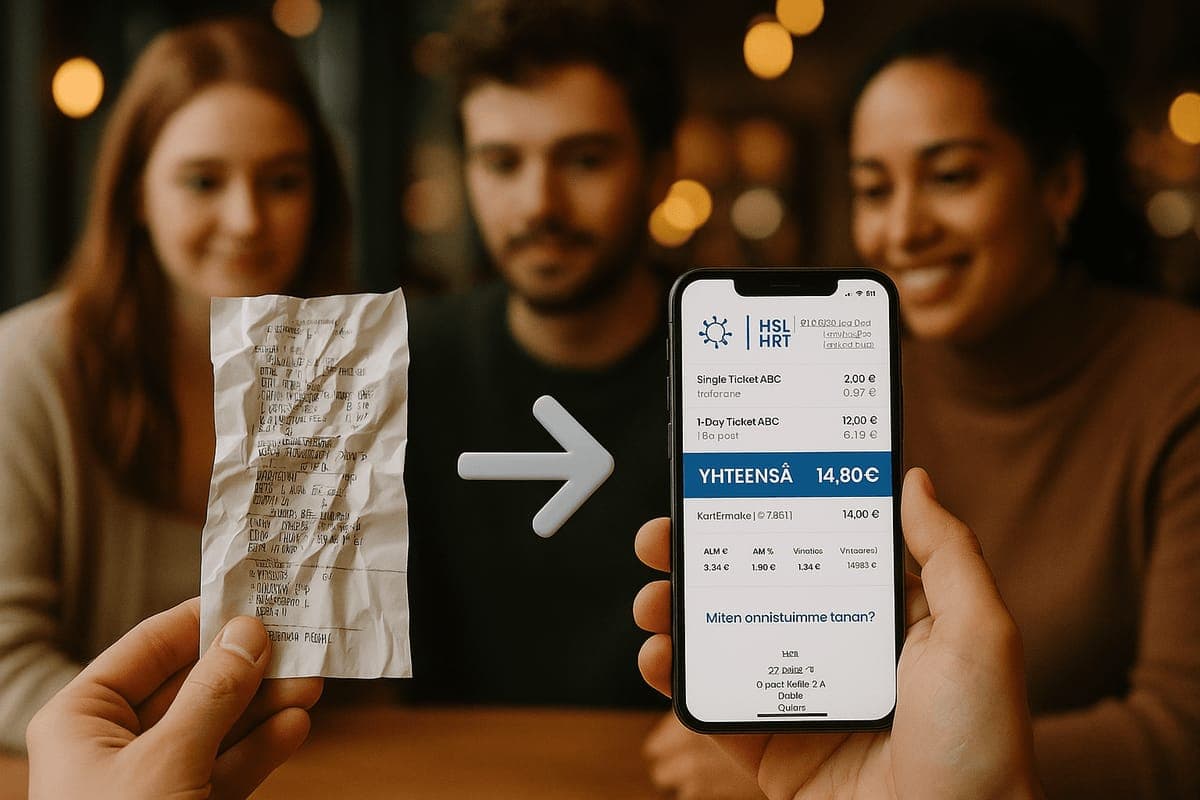
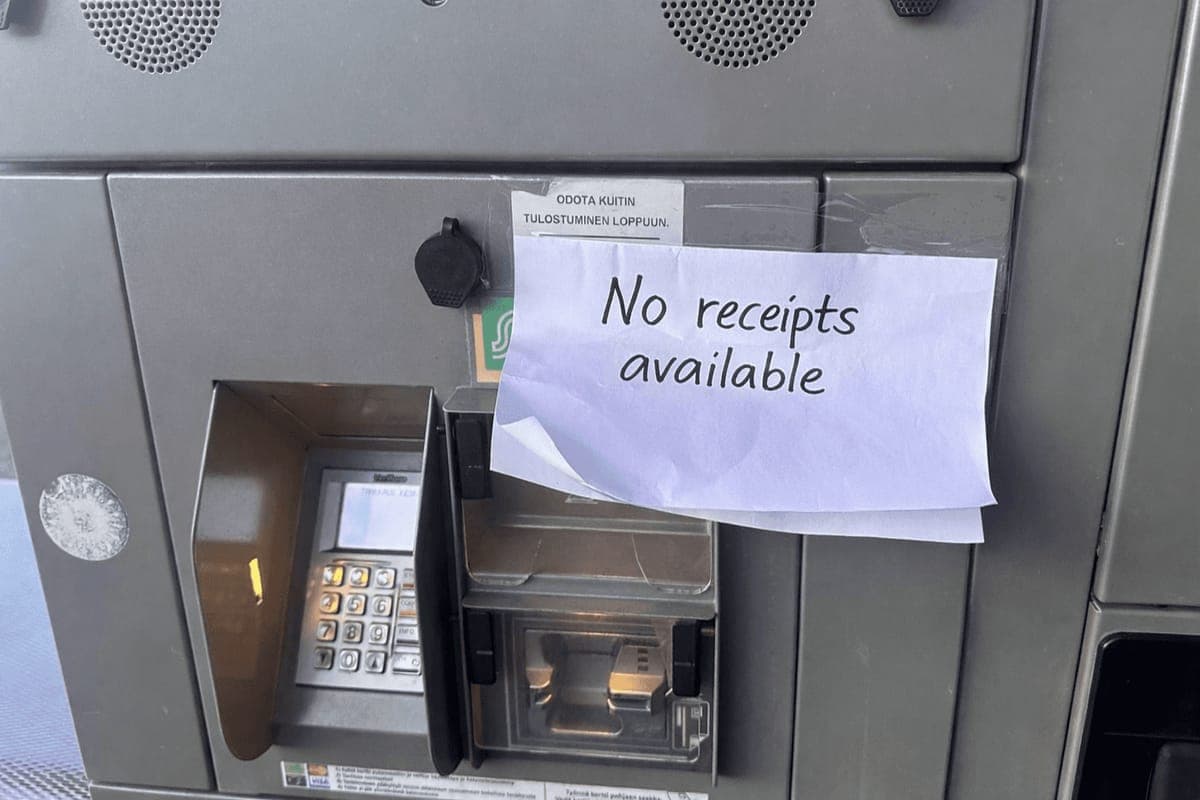
Traditional paper receipts create friction throughout the entire process. They’re easy to lose, difficult to manage, and often require employees to manually capture and submit documentation after every purchase. Therefore, it is valuable when receipts are collected automatically and connected to the transaction directly from the merchant in real time.
For fleet and mobility use cases, this becomes even more important because organisations often need more than just the transaction amount. They may need information about fuel type, litres dispensed, charging session details, VAT information, or other purchase-specific data.
At Mynt, we combine this receipt data with AI-powered expense processing, allowing transactions to be automatically matched and categorised. Administrators only need to review exceptions rather than manually processing every expense. That’s a significant step toward truly automated expense management.
You are active in EV and fuel retail. Can you explain some of the key use cases?
The mobility sector is undergoing a major transformation. Many organisations today operate mixed fleets that include both EVs and traditional combustion engine vehicles, and they need solutions that work seamlessly across both environments.
For fuel purchases, businesses want drivers to be able to pay quickly and conveniently while ensuring that transaction data and receipts are automatically available for accounting, reporting, and compliance purposes.
EV charging introduces additional complexity. The ecosystem is still evolving, with multiple charge point operators, roaming platforms, apps, and payment methods. Businesses want charging to be as simple and predictable as traditional fuel purchases, both for drivers and finance teams.
Beyond fuel and charging, we’re also seeing growing demand for broader mobility services, where businesses want one consistent payment and expense experience across multiple categories of spend.
That’s where Ampr by Mynt plays an important role. We help businesses unify these different payment experiences while ensuring that transaction information and receipts flow automatically into the systems that need them.
What are the main obstacles to getting meaningful transaction data from fuel retailers, and how do you see ReceiptHero helping?
One of the biggest challenges in fuel retail is not simply obtaining a receipt, it’s obtaining structured and actionable purchase data.
A transaction may tell you that a purchase was made and even provide a quantity, but that doesn’t necessarily tell you exactly what was purchased. For fleet operators and finance teams, understanding whether the transaction was for diesel, petrol, AdBlue, a car wash, or another product is often critical.
At the same time, fuel retailers operate across a highly fragmented technology landscape, with different POS systems, forecourt technologies, payment providers, and back-office systems all handling data differently.
This is where ReceiptHero adds significant value. By connecting payment transactions with rich merchant receipt data in real time, ReceiptHero helps ensure that businesses receive the detailed information needed to understand and categorise purchases accurately.
For partners like Mynt, that creates a much stronger foundation for automated expense management, policy controls, reporting, and spend analysis. The more accurate and structured the underlying data is, the more value businesses can unlock from automation.
What are the big opportunities for open-loop payment cards in Europe?
Open-loop payments represent a major opportunity for fleets and mobility providers because they offer significantly greater flexibility than traditional closed-loop fleet card models.
Historically, fleet cards were often limited to specific fuel networks, restricting where drivers could refuel or access services. That model becomes increasingly challenging as businesses transition toward mixed fleets and broader mobility ecosystems. Furthermore, a regulatory shift may also reshape who can legally issue fuel and fleet cards in Europe, with the Limited Network Exclusion under PSR and PSD3 set to narrow significantly, meaning many operators may soon need a regulated payment partner behind them.
With open-loop payment cards, businesses can access a much wider acceptance network across fuel stations, EV charging locations, and mobility services throughout Europe.
At the same time, organisations still need the controls, policies, and reporting capabilities traditionally associated with fleet programmes. The opportunity lies in combining the flexibility of open-loop payments with rich transaction data, automated receipt collection, and intelligent expense management.
That combination gives businesses the freedom they want while maintaining the visibility and control they need.
What are the main benefits for an EV charge operator or fuel retailer enabling real-time digital receipts?
The first benefit is a better customer experience. Businesses and consumers increasingly expect digital-first interactions, and real-time digital receipts have become an important part of that expectation.
The second benefit is operational efficiency. By delivering receipts digitally, retailers can reduce the costs and administrative burden associated with paper receipts while reducing support requests related to lost documentation.
For fleet customers specifically, digital receipts eliminate one of the biggest pain points in expense management: chasing drivers for missing receipts. When receipts are automatically delivered and connected to transactions, both drivers and administrators save time.
Digital receipts also create new opportunities for customer engagement. They can become a direct communication channel that supports loyalty programmes, sustainability initiatives, personalised offers, and other value-added services.
For EV charge operators, this is particularly relevant because charging sessions are often unattended and digitally managed. Customers expect immediate access to charging information and documentation for reimbursement, accounting, and reporting purposes.
Ultimately, real-time digital receipts improve the quality and accessibility of transaction data across the entire ecosystem, creating value for retailers, mobility providers, fleet operators, finance teams, and end customers alike.
Building the Future of Mobility Spend Management Together
The future of fleet and mobility payments isn’t just about enabling transactions. It’s about connecting payments, receipts, and expense management into a seamless experience that removes friction for businesses and drivers alike.
Through the partnership between ReceiptHero and Mynt, we’re helping organisations move closer to fully automated expense management by combining real-time digital receipts with richer transaction data and smarter spend controls.
As mobility continues to evolve, businesses will increasingly expect payment experiences that are flexible, automated, and data-rich. Together, we’re helping make that future a reality.